
We build the whole light, not one process in it.
An ODM supplier that only passes drawings to a factory is a trader with a catalogue. What sits between the drawing and the carton here is product design, tooling specification, a managed supply chain for casting and machining, in-house assembly, and the measurement that makes every published figure defensible.
The chain, in pictures.
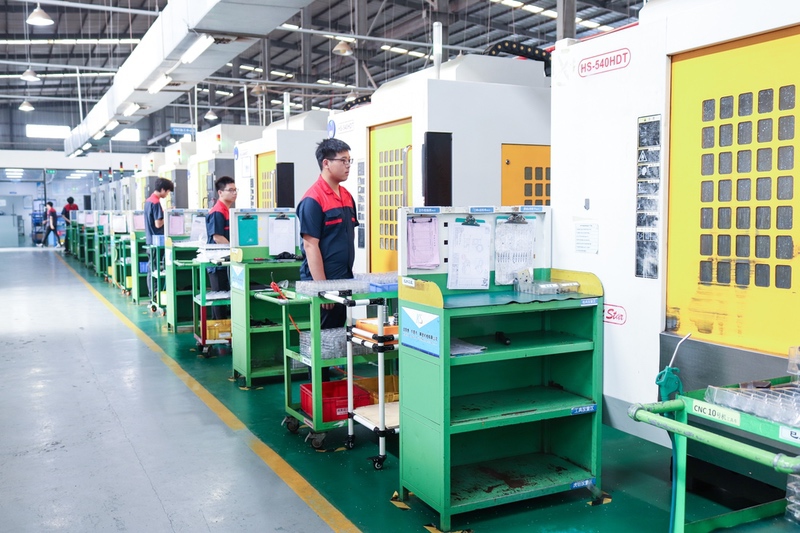
Aluminium and magnesium are cast in partner foundries we specify and audit — magnesium run as its own process, not as a variant of aluminium — then machined, measured on a CMM, assembled and photometrically tested. The left of that chain is theirs; assembly, marking and every published measurement are ours.
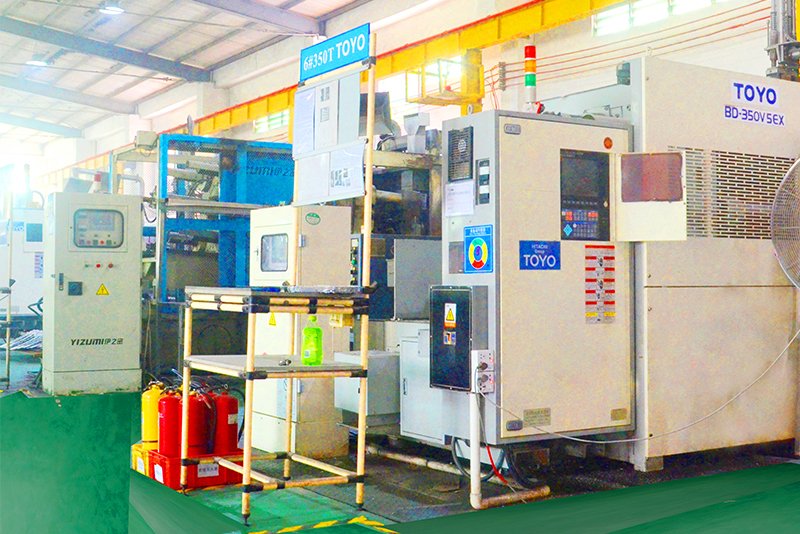
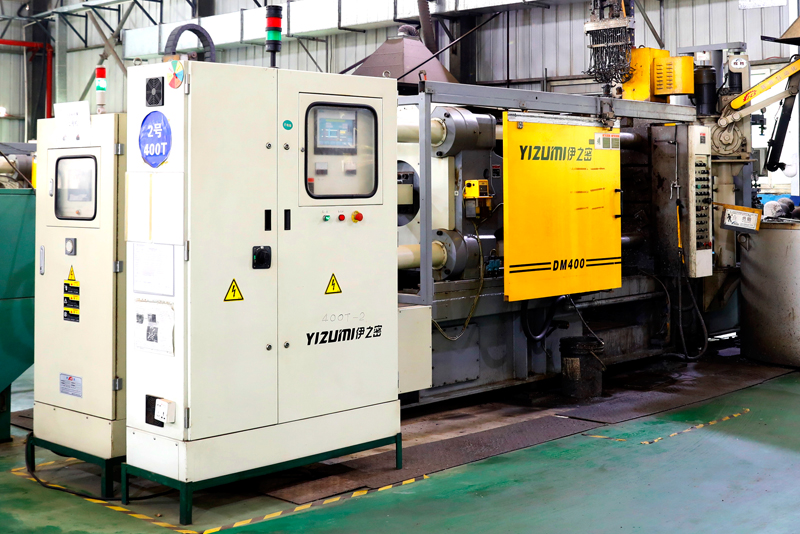
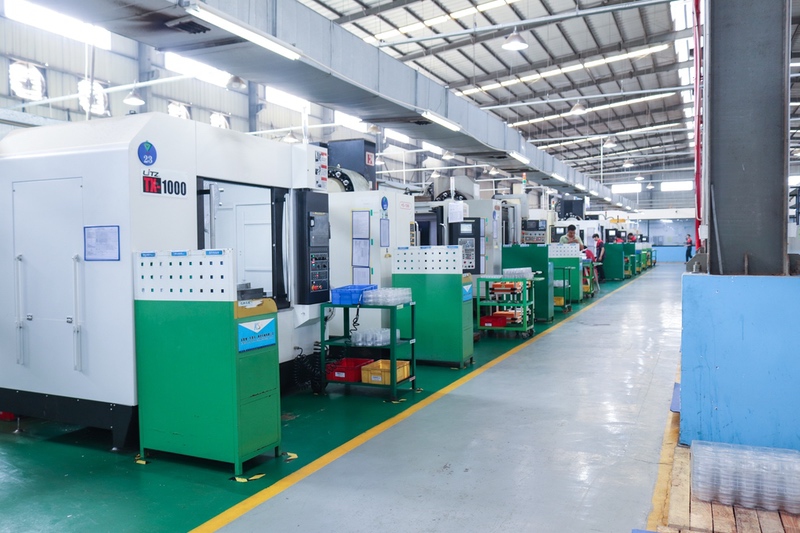
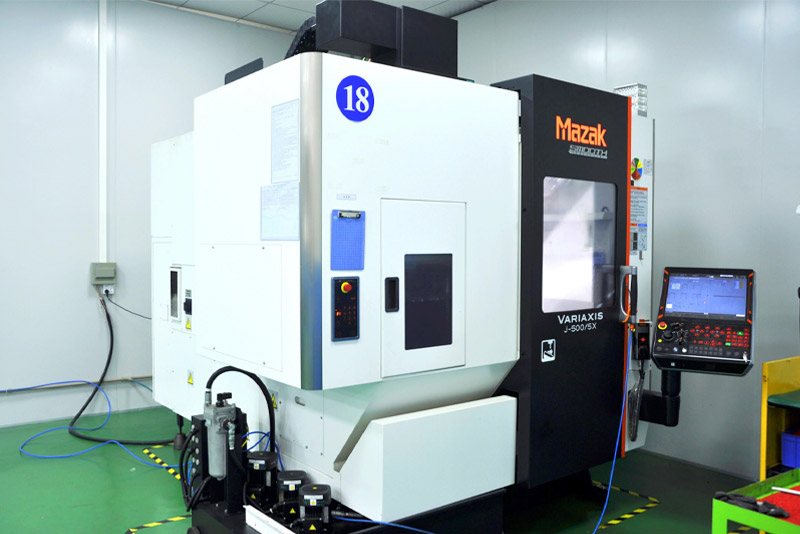
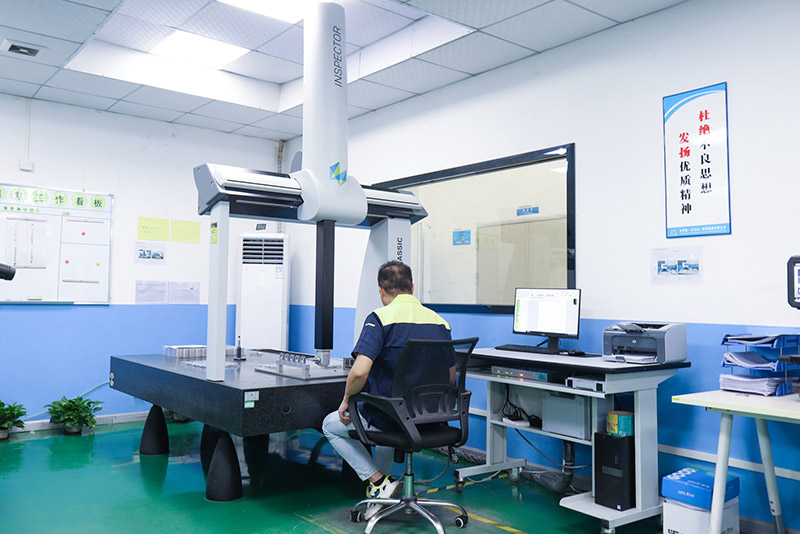
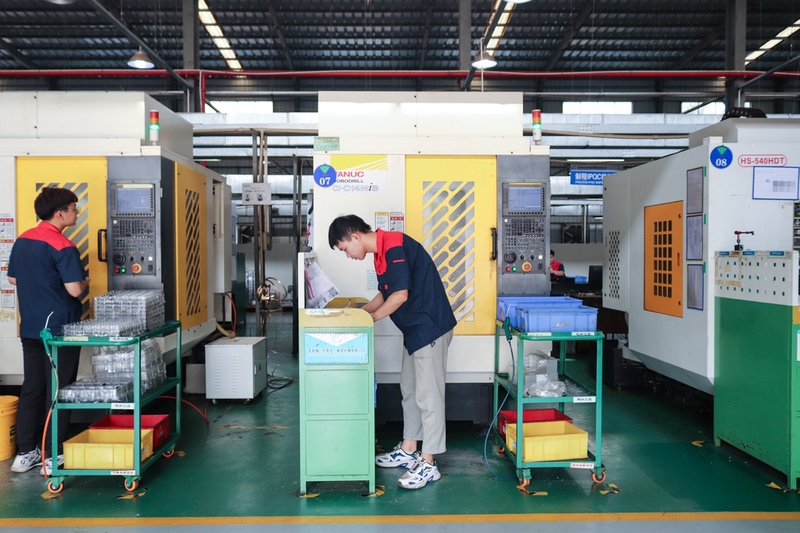
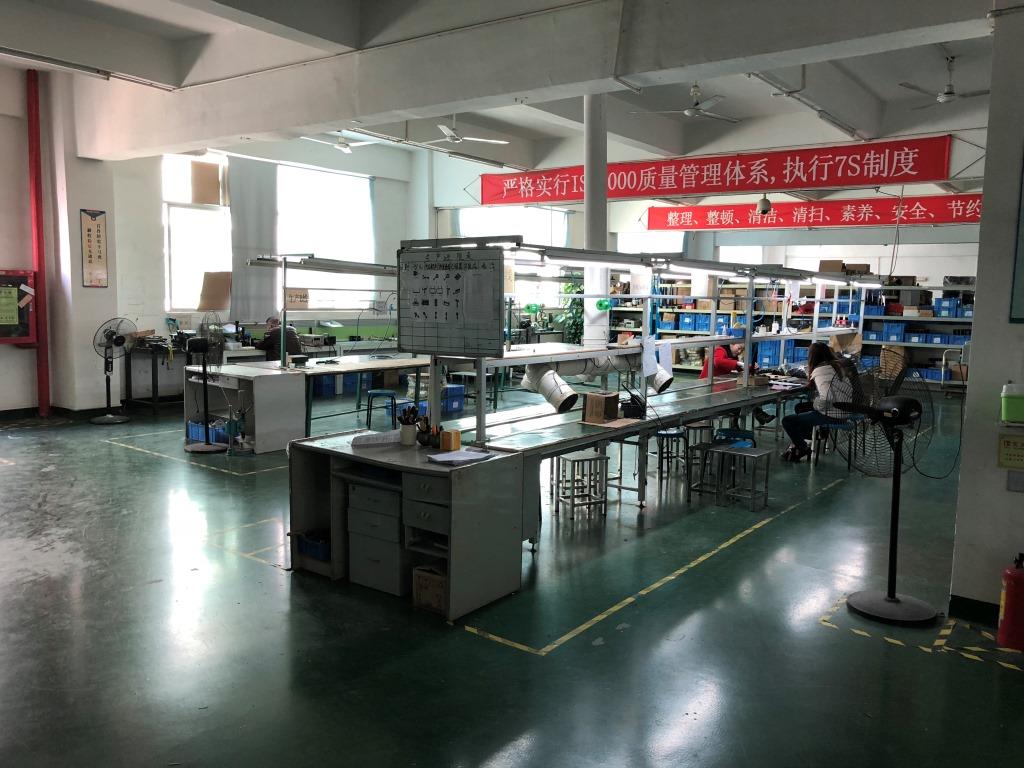
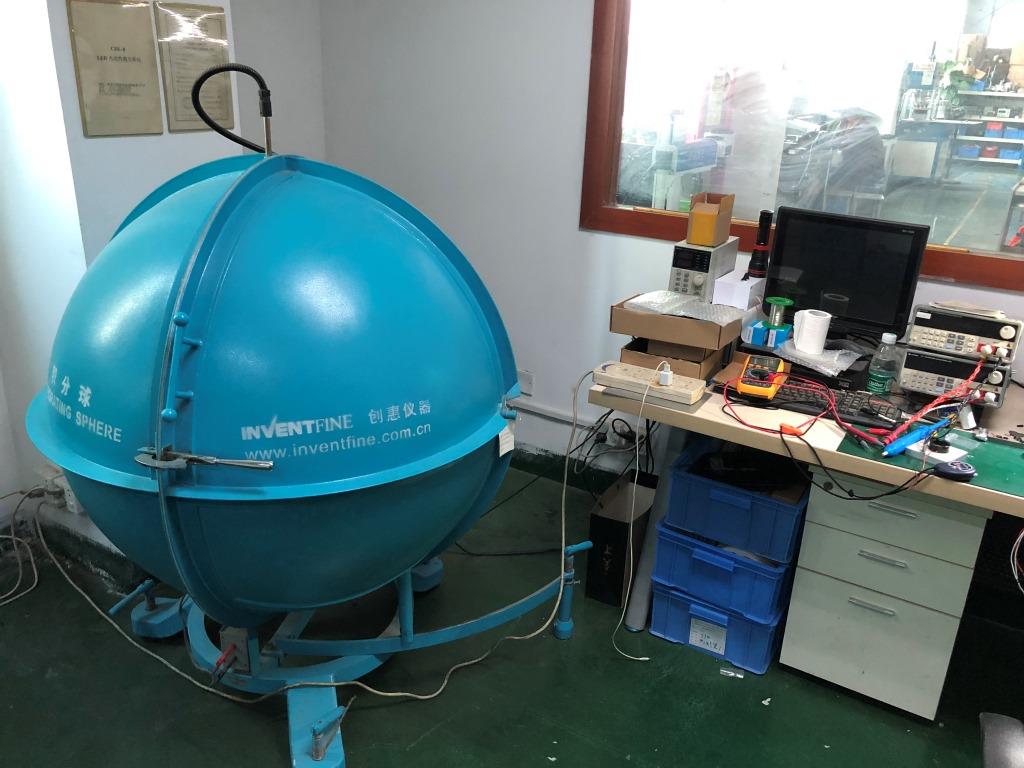
Why show partner floors at all: an ODM buyer is not only buying a machine, they are buying a chain that has already been qualified. The shops above are held to our drawings and tolerances, and their parts are checked on the CMM and on our bench before they are accepted — the same way we inspect our own assembly output.
The chain, stage by stage.
Seven stages, one accountable owner. The point of managing them together is not vertical-integration pride — it is that a problem found at stage five can be fixed at stage two the same week, without you chasing three suppliers.
| Stage | What happens | Why it matters to your product |
|---|---|---|
| Tool & mould | Mould design and tooling specification for aluminium and magnesium, built by our tooling partners to our drawings. | The library moulds are ours, and servicing is scheduled through our tooling partners. A worn core or a damaged cavity is a planned repair, not a season-long wait. |
| Die-casting | Aluminium and magnesium cast as one piece by qualified partner foundries; wall thickness, draft and heat path decided at tool design. | Structure, heat path and sealing geometry are designed in rather than assembled on — which is the whole argument for a metal body. |
| Machining | CNC machining, milling and drilling through vetted machining partners. | Mating faces, threads and sealing grooves are cut after casting. These are the fits that decide whether a headlamp actually seals. |
| Finishing | Surface preparation, anodising and painting through finishing partners, including two-tone bodies and magnesium conversion coating. | Colourway and corrosion resistance matched to your brand line — and magnesium handled properly instead of being painted over bare metal. |
| Electronics | Driver boards built and programmed to the LED and cell actually fitted. | Constant-current behaviour, mode logic and protection are set against real components, not a bought-in module's generic curve. |
| Assembly | Line assembly with posted work instructions and in-process checks. | A documented sequence at every bench means the tenth thousand unit is built the same way as the golden sample. |
| Verification | Integrating sphere, electrical test bench, then packing. | Output is measured rather than assumed, and the record travels with the batch — so a claim can be traced to its production run. |
What gets measured before it leaves.
Not a laboratory showcase — the tests that decide whether a retail claim survives its first winter.
| Test | Method | What it settles |
|---|---|---|
| Dimensional | CMM and gauge checks on first-article and sampled production parts | That the casting and machining shops hold the tolerances on the drawing — verified on the part, not on a certificate. |
| Photometric | Integrating sphere, ANSI/NEMA FL1 methods | Lumen output, beam distance, peak intensity and runtime — the four numbers that appear on a box. |
| Sealing | Jet and immersion testing to the target IP rating | Whether the gasket compression designed into the casting survives heat cycling and impact. |
| Impact | Drop test on six faces, on concrete | Housing, bezel and lens-ring integrity — and whether the light still switches on afterwards. |
| Thermal | Soak at elevated ambient with output monitored | That the step-down behaviour we publish is the behaviour the product shows at 40 °C in the field. |
| Charge cycle | Repeated full charge and discharge | Capacity retention and connector life on the charging port that gets used every day. |
| Burn-in | Run on the line before packing | Early driver failures are caught here rather than by your customer. |
ISO 9000 framework, 7S on the floor.
The banners on the wall are the visible part. The working part is a documented process: incoming material checks, work instructions at every bench, in-process inspection, and a test record that travels with the batch.
- Incoming inspection on castings, cells and electronic components
- Work instructions posted at each assembly position
- In-process and final inspection before packing
- Batch traceability, so a field issue can be traced back to its run
- 7S discipline — sort, set in order, shine, standardise, sustain, safety, saving
The difference shows up when you need a change.
Most brands that sell metal-bodied lights buy the casting from one supplier, machine it at a second and assemble at a third — and then discover the cost of that chain the first time something has to change. A wall thickness, a thread depth, a colour: the change travels through three calendars and lands back on the brand.
We run that chain as one product owner. The mould is ours, the drawings are ours, the quality plan is ours, and the partners cut and cast to them. The feedback loop is our engineering team, not a relay between suppliers — which is the practical reason a library model can be re-coloured or re-specced in weeks instead of being re-qualified from scratch.
- Magnesium handled as its own process by the partner who casts it, not as a variant of aluminium
- Conversion coating before paint, so finish adhesion is not a lottery
- Library moulds ours, maintained through the partners who cut them
- Sample and production built on the same tooling
Want a live walkthrough instead of photos?
We can run a video call through our assembly floor and the sphere lab — and bring the partner machining cell on camera if you want to watch castings being cut.