Not OEM. Not white label. ODM.

ODM means the product already exists: we designed it, we own the tool, and we build it under your name. What you buy is a proven housing with a specification you control — not a mould, and not a sticker on someone else's carton.

The distinction decides your cost and your calendar.

Same factory floor, three completely different commercial arrangements. Most sourcing conversations go wrong because nobody says which one is being quoted.

Traditional OEM

You bring the design.

A new housing is developed against your brief, a mould is cut for it, and the tool belongs to your programme. Correct when the shape itself is the product — expensive when it is not.

  • Tooling and NRE invoiced up front
  • DFM rounds before the first shot
  • Six to nine months to first shipment
  • Every housing change restarts the tool
Xiware ODM

We bring the design and the tool.

The housing is already cast, machined and measured. You select it, set the performance tier and the branding, and sell it as your own product line.

  • No tooling invoice on library models
  • Branded sample in 10–15 days
  • Datasheet with measured data
  • Your colour, logo, packaging and market
  • Route to territory exclusivity
White label

Someone else brings both.

A trader buys stock and prints a logo. You cannot see the tool, choose the LED bin or audit the test record — and there is nobody to call when a batch fails.

  • No visibility of tool or process
  • Spec sheet copied, never measured
  • No route to change the product
  • Quality is whatever arrived

The housing is fixed. Almost everything else is yours.

This is the honest boundary of ODM, and it is worth reading before you compare us with a factory that will quote you a new tool instead.

Item Fixed on a library mould What you set
Housing geometry Cast and machined. Reshaping it is a new tool, not a change order. Nothing on a library model — a private mould is a separate programme.
Optic & beam Lens position and reflector family. Beam mix and spot-to-flood ratio within that family.
LED & output Footprint and thermal budget of the head. Bin selection, colour temperature, output levels, runtime targets.
Driver Board outline and mounting points. Mode logic, level spacing, lock function, indicator behaviour.
Battery Pack bay volume and connector. Capacity inside the bay, cell supplier, charging current.
Finish Substrate and coating process. Colourway, anodised or painted, two-tone, texture.
Branding Nothing is moulded in — every mark is added. Laser mark, bezel engraving, band print, label, manual.
Packaging None. Box or blister, insert, artwork, barcode, languages.
Accessories None. Charger, cable, spare band, carry bag, mount kit.
Market & compliance None. Destination market, responsible person, marks and label copy.

If a row in the left column is exactly what your product needs to change, you need a private mould rather than an ODM model — and we would rather tell you that on the first call than after two rounds of sampling.

From a model code to a purchase order.

Six stages. The only one that ever runs long is the one where the specification keeps moving.

01

Select, under NDA if you prefer

Datasheet, photographs of the moulded part and, where it matters, a physical sample to hold. Nothing is committed at this stage and nothing is signed unless you ask for it.

02

Lock the specification

One written sheet: output at each level, runtime, colour temperature, finish, battery, packaging. Both sides initial it. This document becomes the acceptance criterion for the batch.

03

Branding and artwork

Logo files placed on the physical surfaces we can actually mark, plus the packaging dieline, label copy and market marks. We send proofs on the real substrate, not on a screen.

04

Sample build

Units built on production tooling, laser-marked in your livery, measured on the sphere, and shipped with the test report attached to the same email.

05

Golden sample and PO

You approve one unit, we keep one. That pair settles any argument later. The order is then scheduled backwards from your launch date, not forwards from ours.

06

Batch and reorder

Every unit output-tested before packing, batch records filed, goods shipped under your name. Reorders run on the same mould, the same spec and a shorter lead time.

Commercial frame.

Fixed where it can be fixed. Quoted where it genuinely depends on the configuration.

ItemHow it is handled
ToolingNo charge on any library model. The tool is ours, stays ours, and is maintained by us — including the mould service that keeps the shots consistent over years of reorders.
MOQFrom 500 pcs per model and finish; lower on reorders and additional colourways of an existing order.
SamplesCharged at unit cost plus freight, credited against the first production order.
Sample lead time10–15 days on an existing mould once the specification is locked, including branding and the test report.
Production lead time30–35 days from golden sample sign-off and deposit, stated per order rather than as a general promise.
ExclusivityTerritory or channel exclusivity on a library model is available against an annual volume commitment. Private moulds are exclusive by default.
Private mouldQuoted when the library genuinely does not fit — as its own programme, with its own tooling cost and schedule. We will say so rather than pretend a library model can be reshaped.
PaymentDeposit and balance, stated in the quotation.
IncotermsQuoted to the term you need, with the shipping mode and destination named.

MOQ, lead times and exclusivity terms above are indicative and confirmed in the quotation for your configuration.

Straight answer

Three cases where we are the wrong supplier.

An ODM model is efficient because the tool is shared across time, not across clients — but it only works when the housing is not the thing you are selling. If any of these describe you, say so early and we will point you elsewhere instead of quoting around it.

  • The shape is the product. A distinctive housing is your brand's equity, and a library model cannot be it.
  • You need a different architecture. A cell format or optic layout the bay and the casting cannot take.
  • You want 200 units to test the water. The mould is already paid for; a low first order costs more per unit than waiting until the volume is real.
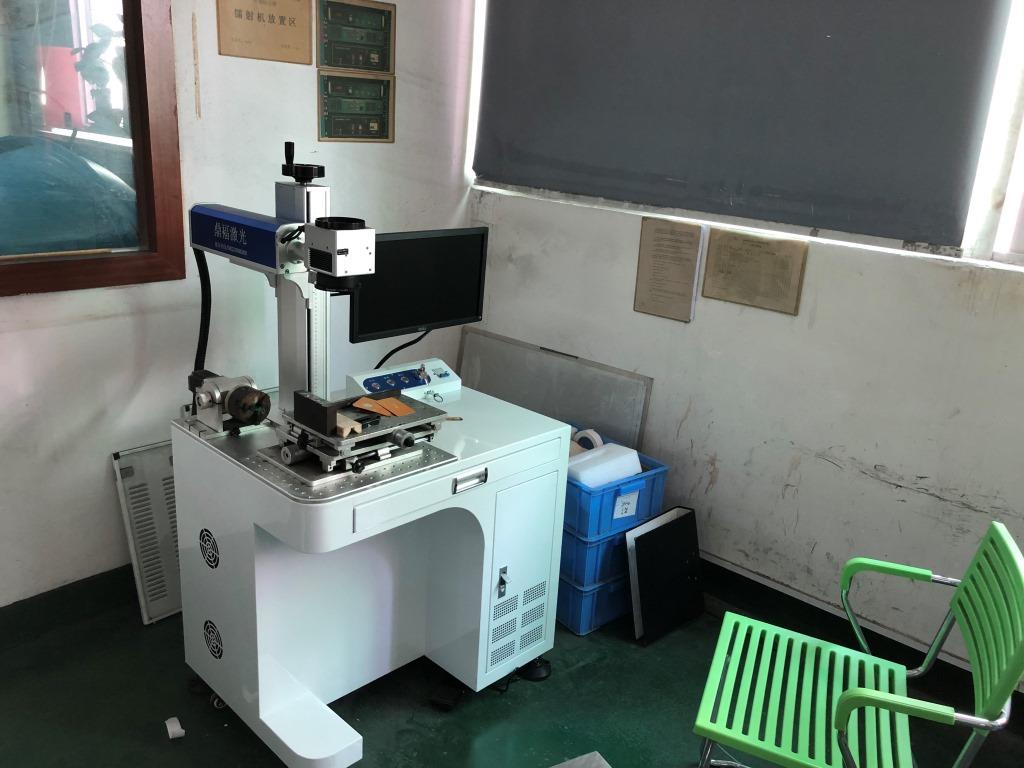
Laser marking station applying client branding to a metal housing

Tell us the model, the market and the first order. We will tell you what it costs.

If you are still choosing, send the price band and the shelf you are aiming at — that is enough to narrow it to two models.